
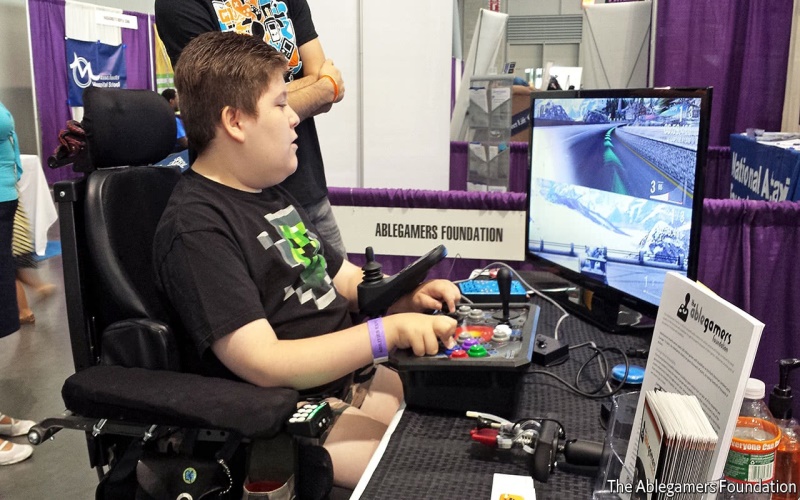
Gaming is an enjoyable pastime enjoyed by both those with disabilities and those without. Although gaming may provide entertainment and relaxation, it may also lead to social isolation and depression – and can even become addictive https://147.139.145.195/.
Gamers with disabilities need access to games that are more inclusive, yet currently the gaming industry falls short in several key areas such as closed captioning and customizable gameplay.
Game genres
Video games are an increasingly global phenomenon, providing endless entertainment and social opportunities. Gaming cultivates creativity, strategic thinking and camaraderie while helping develop motor skills and short attention spans. Gaming has even become an avenue to promote health and rehabilitation; yet to ensure games remain accessible to all gamers it is necessary that testing takes place with disabled individuals as well as including accessibility features into each game’s design https://149.129.220.28/.
Players with disabilities often find multiplayer gaming to be challenging. They may believe their disability prevents them from participating, leading to negative feelings about the gaming experience and masking it to conform with social expectations; this emotional labor often results in avoidance of social gaming altogether.
Some games are more accessible than others, and developers are making improvements. For instance, The Witcher 3: Wild Hunt added an assist mode and colorblind mode in response to feedback from players with visual impairments; Xbox has designed its controller with larger buttons for players with motor impairments, providing one-handed control methods and one-touch play.
Input devices
Input devices are pieces of hardware used to provide data or control signals to a computer, including touchpads, keyboards, mice and gaming input devices such as joysticks. There are various kinds of input devices – each has their own set of advantages and disadvantages; some may be easier for those with mobility issues while other options might provide greater convenience – for example a mouse or keyboard might provide greater comfort than its competitors.
Accessible gaming hardware may still be in its early days, but it provides disabled gamers with much-needed alternatives to standard controllers. For instance, the DAGERSystem hub features customizable button layouts and functionality tailored specifically for someone’s disability. As market growth of accessible hardware continues, more options will become available to disabled players.
Gaming companies need to go further to make their games accessible for gamers with disabilities, however. According to Spohn, companies should include accessibility options in product descriptions as well as label them on game packaging for easy purchase decisions by gamers with disabilities – currently, many titles lack this vital information.
Gamepads
Adaptive hardware has proven invaluable in helping disabled gamers overcome gaming barriers, including low-actuation force buttons and customizable software features that make controlling games simpler for these individuals. They may even be used alongside existing controllers – however there remain numerous barriers which must first be removed before mainstream gaming companies fully embrace accessibility technology.
Standard Xbox and PlayStation game controllers often require tight gripping and difficult button presses that may exacerbate isolation in the gaming community, and prevent disabled gamers from enjoying their favorite titles. This can cause frustration, foster social exclusion and hinder gameplay experience for disabled gamers.
Gaming companies are responding to these problems by creating accessible equipment themselves. Sony’s Access Controller for PS5 is an outstanding example; WIRED spoke with Sony’s team behind this device about its design process and what lessons it could teach other developers.
Game controllers
Gamers with disabilities have access to a variety of gaming hardware designed with accessibility features in mind, such as touch-sensitive overlays and customizable button mapping. These devices connect directly to gaming consoles as replacement controllers or can even be used on mobile devices to control apps and media content.
Game console manufacturers have made impressive strides to increase game accessibility for disabled gamers over recent years. Through partnerships with organizations like AbleGamers, SpecialEffect, and Stack Up they have introduced accessible gaming options specifically tailored for those living with physical disabilities – Sony’s Access controller features an innovative customizable design enabling players to change the shape and size of stick caps and buttons as desired by individual gamers.
This device provides users with various customizations, such as larger touchpads and easy-to-use ports for external switches, mounts, joysticks and foot pedals. Compatible with PlayStation 4, Xbox 360 and Xbox One consoles as well as Windows and Mac computers; some games even include built-in accessibility features such as Apple’s People Detection feature for blind and low vision iPhone users or Google’s Live Transcribe and Guided Frame feature for deaf and hard of hearing Pixel owners.
Gameplay
Video game accessibility has taken great strides over the past decade, yet more work remains. Game developers have become more proactive in creating accessible gameplay options and hiring disability advocates and organizations as consultants during development processes – an encouraging shift from days gone by when many video games were inaccessible to people with disabilities.
Gaming can be an immersive, social and creative activity that helps individuals improve their physical, mental and emotional health. Therefore, video games must be accessible to players with disabilities so they too can reap its many advantages.
Developers looking to make video games more accessible may include features that reduce noise levels, provide text-to-speech narration, or provide customized controller settings. They could also allow players to adjust game difficulty according to their skill and comfort level; Celeste offers an assist mode which enables this. Other accessible features may include resizable subtitles, colorblind modes and menu narration; some games even utilize haptic feedback for players with cognitive or motor control challenges.
