
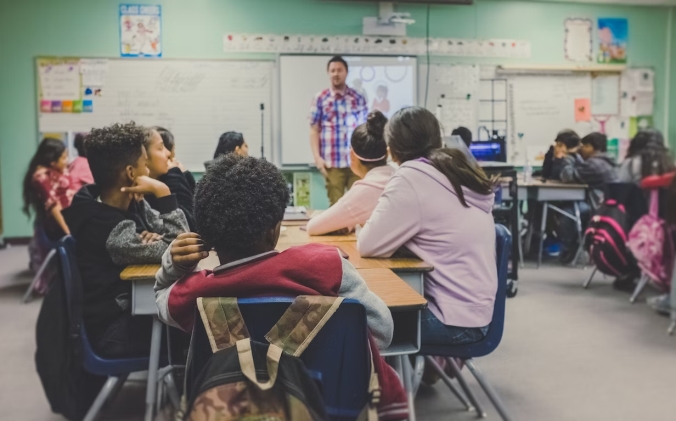
In the dynamic landscape of education, innovations are shaping the way we approach teaching and learning, with a focus on fostering student success. “Innovations in Education: Transformative Approaches for Student Success” explores the groundbreaking strategies and technologies that are revolutionizing the educational experience, preparing students for the challenges of the future and ensuring their success in an ever-evolving world.
Personalized Learning: Tailoring Education to Individual Needs
One of the most transformative innovations in education is the shift towards personalized learning. Recognizing that each student has unique strengths, weaknesses, and learning styles, educators are leveraging technology to tailor educational experiences. Adaptive learning platforms use data analytics to customize content and pacing, ensuring that students receive targeted support and resources aligned with their individual needs.
Flipped Classrooms: Reimagining the Learning Environment
The traditional model of education, where students passively receive information in classrooms, is being challenged by the concept of flipped classrooms. In this innovative approach, students engage with instructional content outside the classroom through digital resources, allowing in-class time to focus on collaborative activities, discussions, and problem-solving. Flipped classrooms empower students to take ownership of their learning and promote active engagement.
Project-Based Learning: Real-World Application of Knowledge
Project-based learning (PBL) is a transformative approach that emphasizes learning through hands-on, real-world projects. Students tackle complex challenges, applying knowledge gained in the classroom to solve practical problems. PBL not only enhances academic understanding but also develops critical thinking, teamwork, and communication skills, preparing students for success in diverse professional settings.
Blockchain in Education: Ensuring Data Security and Credentialing
Blockchain technology is disrupting the education sector by providing secure and transparent systems for managing student records and credentials. From academic achievements to certifications, blockchain ensures the integrity and authenticity of educational data, streamlining verification processes. This innovation not only enhances data security but also facilitates a more efficient and reliable credentialing system for students entering the workforce.
Artificial Intelligence (AI) in Education: Personalized Tutoring and Adaptive Assessments
AI is revolutionizing education by offering personalized tutoring and adaptive assessments. Intelligent tutoring systems analyze student performance, adapting content to address individual learning needs. AI-powered assessments provide real-time feedback, allowing educators to tailor instruction and interventions. These innovations contribute to a more responsive and dynamic learning environment, ensuring that students receive the support they need to succeed.
Augmented Reality (AR) and Virtual Reality (VR) in Education
AR and VR technologies are transforming the educational landscape by creating immersive learning experiences. From virtual field trips to interactive simulations, AR and VR enhance engagement and comprehension. These technologies enable students to explore subjects in ways that were previously unimaginable, fostering a deeper understanding of complex concepts and preparing them for a tech-driven future.
Global Collaboration: Breaking Down Geographical Barriers
The world is increasingly interconnected, and education is following suit. Innovations in global collaboration tools enable students to engage in joint projects, virtual exchanges, and collaborative learning experiences across borders. This not only exposes students to diverse perspectives but also cultivates essential skills for working in an international and interconnected world.
Emphasis on Soft Skills: Nurturing Well-Rounded Individuals
In addition to academic knowledge, there is a growing emphasis on nurturing soft skills such as critical thinking, communication, and adaptability. Recognizing that success in the 21st century requires more than just subject-specific expertise, innovative educational approaches incorporate activities and assessments that develop students’ interpersonal and intrapersonal skills, preparing them for diverse personal and professional contexts.
Conclusion
“Innovations in Education: Transformative Approaches for Student Success” represents a paradigm shift in the way we conceive and deliver education. These transformative approaches prioritize the needs and strengths of individual learners, preparing them not only for academic achievement but also for success in a rapidly changing world.
By embracing personalized learning, flipped classrooms, project-based learning, blockchain, AI, AR, VR, global collaboration, and the development of soft skills, educators are creating a dynamic and responsive educational ecosystem. These innovations are not just tools; they are pathways to empowering students with the skills, knowledge, and adaptability needed to thrive in the complexities of the 21st century. As education continues to evolve, the commitment to transformative approaches ensures that students are equipped not only for academic success but also for a future where innovation and adaptability are essential components of lifelong learning and achievement.
