

Water Damage
The foundation of any structure serves as its fundamental support, making its protection paramount to the integrity and longevity of the entire building. One of the most crucial measures in ensuring this protection is foundation waterproofing. Understanding its importance, methods, benefits, and the significance it holds in safeguarding your property against water intrusion and damage is key to maintaining a structurally sound and secure building.
Understanding Foundation Waterproofing
What is Foundation Waterproofing?
Foundation waterproofing refers to the techniques and materials used to prevent water from seeping into the foundation of a building. Its primary objective is to create a barrier that keeps moisture out, preserving the structural integrity of the foundation and preventing potential water-related damage to the property.
Importance of Foundation Waterproofing:
- Preventing Structural Damage: Water infiltration can weaken the foundation, leading to cracks, mold, mildew, and even structural instability.
- Preserving Indoor Air Quality: Moisture penetration can cause indoor air quality issues due to mold and mildew growth, posing health risks to occupants.
- Protecting Valuables: Water damage can harm possessions stored in basements or lower levels of the property.
Types of Foundation Waterproofing
-
Exterior Waterproofing:
- Membrane Barrier: The most common method involves applying a waterproof membrane or coating to the exterior foundation walls. This barrier prevents water from penetrating the foundation.
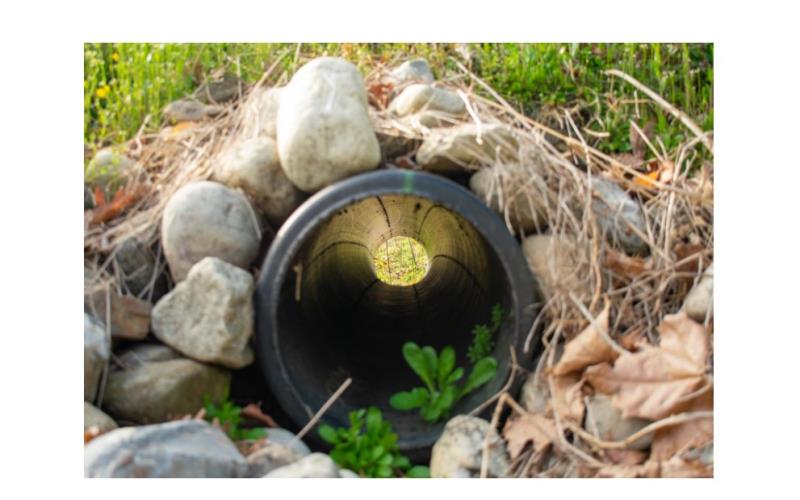
- Drainage Systems: Installed alongside exterior waterproofing, drainage systems like French drains or exterior drain tiles divert water away from the foundation.
-
Interior Waterproofing:
- Interior Sealants: Applied on the interior walls to prevent moisture from entering the building.
- Interior Drainage Systems: Installed inside the property to manage water that has penetrated the foundation, redirecting it away from the interior space.
-
Crawl Space Waterproofing:
- Similar to foundation waterproofing methods, this targets crawl space areas to prevent moisture penetration and subsequent damage.
Benefits of Foundation Waterproofing
- Preventing Structural Damage: By keeping water away from the foundation, waterproofing safeguards against cracks, erosion, and potential structural compromises.
- Mitigating Mold and Mildew: Moisture infiltration can lead to mold and mildew growth, posing health risks. Waterproofing helps prevent these issues, preserving indoor air quality.
- Protecting Valuables: Waterproofing safeguards possessions and valuable items stored in basements or lower levels from water damage.
- Increasing Property Value: A properly waterproofed foundation enhances the property’s value by ensuring its structural integrity and reducing the risk of water-related damage.
Factors Influencing Foundation Waterproofing
- Property Location: Climate, soil type, and groundwater levels impact the choice of waterproofing methods suitable for the property.
- Foundation Type: Different foundation types may require specific waterproofing techniques tailored to their construction.
- Exterior Landscaping: The layout and grading of the property’s landscape can influence water runoff and its impact on the foundation.
Professional Guidance and Maintenance
Seeking professional expertise is crucial in determining the most suitable waterproofing methods for a property. Additionally, regular maintenance and inspections ensure the effectiveness of the waterproofing system over time.
Conclusion
Foundation waterproofing stands as a critical defense mechanism against water intrusion and damage to a property’s foundation. By implementing the right waterproofing methods tailored to the property’s needs and environment, homeowners can safeguard their investments, preserve the structural integrity of their buildings, and maintain a healthy living environment for occupants.
Understanding the importance of foundation waterproofing, the various methods available, and the factors influencing its implementation empowers property owners to make informed decisions. Consulting with professionals and undertaking regular maintenance ensures the longevity and effectiveness of the waterproofing system, ensuring peace of mind and long-term protection against water-related issues.
