
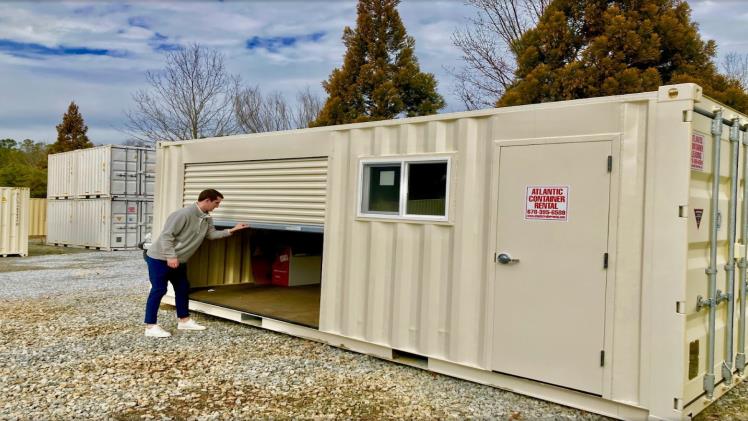
Shipping containers are a ubiquitous part of our lives. While most people take them for granted, the versatility of these structures makes them ideal for on-site offices.
Before embarking on a shipping container office project, it’s essential to understand local regulations and building codes. Reviewing zoning laws and engaging a local expert can clarify region-specific nuances.
Decide on Your Purpose
When setting up a shipping container office, you must decide how to use the space. Then, you can choose the correct container specifications to suit your specific needs.
Whether you need a temporary office solution on a construction site or want to create a unique aesthetic in a modern area, a modified shipping container can be the perfect option for your workspace. These containers come in various sizes and can be customized with windows, doors, and paint colors to match your business’s aesthetics. Plus, they’re much cheaper than building a traditional office structure.
One of the best things about shipping container offices is that they’re completely portable. That makes them an ideal solution for contractors who often work at multiple locations or companies who need to shift their employees around regularly. Additionally, they’re an excellent option for people who want to avoid the distractions of working from home, such as pets and lack of motivation.
Determine the Container’s Size
Having a suitable office space is crucial to productivity and comfort. The size of your container should be based on the type of work you’re doing, how many people will be working with you at any given time, and any potential growth you see in your business’s future.
Experts like BMarko Structures shipping containers are an excellent solution for office spaces due to their ease of customization and portability. Since they were initially designed for cargo, they are spacious, easy to modify, and ready to be outfitted with all the comforts of an office.
To make your home office shipping container feel like an actual workspace, consider adding real doors and windows, flooring, walls, lights, insulation, exterior siding and trim, heat, and air conditioning. With a bit of planning and the help of some power tools, you can turn your container into a fully functional office. Just remember always to wear safety equipment when using power tools. This way, you won’t get any metal shards in your eyes while carving out holes in your doors and windows. Once everything is done, your office can move wherever your work takes you.
Inspect the Container
A thorough inspection is vital before transforming a shipping container into an office space. It is essential if you’re looking at a used container, as it may have been exposed to harsh elements during its journeys worldwide. Look for dents, rust spots, and other damage that could compromise the integrity of your workspace or endanger workers’ safety.
You’ll also want to inspect the electrical and plumbing systems to ensure they’re in good condition. Both are essential components of an office and must work correctly to support productivity. Lastly, consider adding windows and doors to give your employees a comfortable workspace that’s easy to navigate.
Ultimately, the flexibility of shipping containers makes them perfect for offices. You can expand your team and reconfigure the office with minimal hassle as business needs ebb and flow. It is a significant advantage over traditional office spaces that require extensive renovations to accommodate new teams and equipment.
Invest in Personal Touches
There’s nothing like a few personal touches to boost your workspace. Infusing your shipping container office with themes and colors that reflect your personality adds visual appeal and elevates productivity and mood.
Investing in office furniture is essential for any home office setup. Picking out desks, chairs, and tables can transform your shipping container into a functional space that’s a joy to work from.
Shelving and cabinets can provide much-needed storage space for your home office supplies. Including cabinetry also gives your office a more refined appearance that can turn it from industrial chic to home office opulence in the blink of an eye.
If you plan to set up a shipping container office in an existing home, make sure your plans are legal and compliant with local zoning regulations. It’s also good to consult a local expert to understand region-specific nuances and requirements better. It will ensure you don’t spend time and money on a project that doesn’t meet regional standards.
Create a Workspace That Inspires
Bringing your personal touches to your workspace is essential, and it is a great way to keep your workdays feeling inspired. Whether it’s a framed photo of your kids, a daily inspirational quote, or even a bright wall painted orange (this tangy color has been shown to stimulate creativity!), a workspace that inspires will excite you to come in and tackle your work.
Maximize your shipping container office’s storage space by optimizing the shelving to ensure you can complete your work. Adding extra shelves and overhead cabinets can give you plenty of room to store files, binders, or notebooks. It will help your desk stay uncluttered, and it will also increase your floor space.
If you want to add more personal touches, consider adding a window to your container. It will let in natural light, which can help reduce eyestrain and headaches. You can install sliding doors, making it more convenient to open up your office space to the outdoors.
